Athlete Flat Vector Illustration: Choosing and Using with Confidence
Flat vector illustrations of athletes are more than just stylish graphics—they're versatile tools for designers, marketers, and developers working across websites, apps, and promotional materials. Whether you're designing a fitness app, a landing page for a wellness brand, or an infographic on morning exercise routines, these illustrations can help communicate energy, movement, and health in a clean, modern way. But selecting and using them effectively requires more than just a quick download.
Why Athlete Flat Vector Illustrations Matter
Flat design has become a staple in UI and UX because of its clarity and adaptability. When applied to athletic themes, these illustrations can convey motion and motivation without overwhelming the viewer. They're scalable, editable, and compatible with a wide range of platforms—from mobile apps to print flyers. Athlete flat vector illustrations are especially popular for projects that require a balance between visual appeal and functional design.
Common Mistakes When Choosing and Using Athlete Flat Vector Illustrations
Many people jump into using these graphics without considering how they fit into the broader design or user experience. Here are some common pitfalls and how to avoid them:
1. Overlooking Licensing and Usage Rights
One of the most frequent mistakes is assuming that any downloadable vector illustration is free to use. Some files come with limited licenses that restrict commercial use or require attribution. Others may not be editable without specific software like Adobe Illustrator.
Better approach: Always check the license type before downloading. Look for illustrations labeled as royalty-free or with extended licenses if you're using them in a commercial product. Make sure the package includes AI, EPS, JPG, and PNG formats for flexibility.
2. Ignoring Style Consistency Across Assets
Designers often mix multiple illustration styles in a single project, which can confuse the visual message. For example, combining a minimalist athlete illustration with a detailed infographic may create visual clutter and reduce the overall impact.
Better approach: Stick to a consistent design language. If you're using flat vector illustrations, ensure all other graphics—icons, backgrounds, text elements—match that same flat aesthetic. Tools like color pickers and style guides can help maintain harmony.
3. Underestimating the Need for Customization
Some users assume they can drop a vector illustration directly into their layout without any changes. But to truly integrate the image with your brand or message, you may need to adjust colors, poses, or even the background.
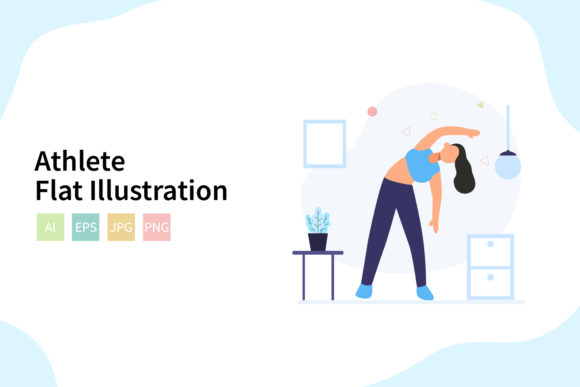
Better approach: Choose illustrations that are easy to edit. Look for layered files in AI or EPS formats. This allows you to tweak colors to match your brand palette or modify the athlete's pose to better suit the context—like showing morning stretching instead of sprinting if that fits your message better.
4. Misjudging File Compatibility
Not all vector illustration formats are created equal. While AI and EPS are great for editing, they may not be readable in every design tool. JPG and PNG versions are useful for quick placement but lose quality when scaled up.
Better approach: Download illustration sets that offer multiple formats. Use AI or EPS for detailed edits and PNG for web use. Always test how the image appears on different devices and screen sizes, especially for mobile apps and responsive websites.
What to Check Before You Download or Use Athlete Flat Vector Illustrations
Before making a decision, consider the following checklist to ensure your illustration serves its purpose effectively:
- License type: Is it commercial-friendly? Do you need to credit the creator?
- File formats included: Are AI, EPS, JPG, and PNG available?
- Editability: Can you easily change colors, add elements, or resize without distortion?
- Style compatibility: Does it match the overall design tone of your project?
- Relevance: Does the athlete illustration reflect the activity or message you're promoting—like morning exercise, fitness tracking, or team sports?
Practical Tips for Using Athlete Flat Vector Illustrations Effectively
Here are a few ways to make the most of these illustrations in real-world applications:
- Use in UI/UX Design: Incorporate athlete illustrations into app screens to guide users through fitness routines or wellness tips. For example, a flat vector image of a person stretching can serve as a visual cue for a morning warm-up feature.
- Enhance Marketing Materials: Flyers or banners for gym promotions or health events can benefit from clean, engaging visuals that reflect activity and energy without being too literal.
- Support Editorial Content: When writing about the benefits of morning exercise, a relevant athlete illustration can break up text and make the article more visually appealing.
- Customize for Branding: Adjust colors, add logos, or modify elements to align with your brand identity. This ensures the illustration feels like a natural part of your content.
Conclusion: Make Informed Choices for Better Visual Communication
Athlete flat vector illustrations are powerful tools when used correctly. By avoiding common mistakes—like ignoring licensing, mismatching styles, or underestimating customization—you can enhance your design projects and communicate your message more clearly. Whether you're a marketer creating a landing page, a developer building a mobile app, or a blogger illustrating the benefits of morning exercise, choosing the right illustrations can make a significant difference in how your audience engages with your content.
Take the time to evaluate each illustration based on its quality, flexibility, and relevance. Your attention to detail will result in a cleaner, more professional, and more effective design.