Retro Bauhaus Cover Design: Timeless Style for Modern Creatives
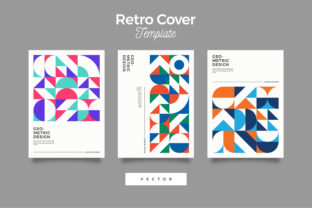
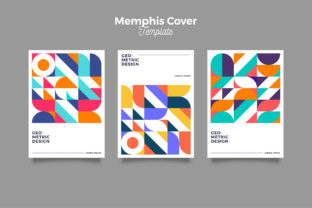
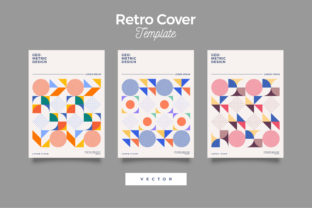
The Retro Bauhaus Cover Design is more than just a visual trend—it's a design philosophy rooted in simplicity, structure, and bold aesthetics. Inspired by the early 20th-century Bauhaus movement, this style blends geometric shapes, clean lines, and a minimalist color palette to create striking visuals that feel both nostalgic and contemporary. Whether you're designing an album cover, a corporate report, or a social media banner, Retro Bauhaus elements offer a versatile and impactful solution.
What Makes Retro Bauhaus Cover Design Unique?
At its core, the Retro Bauhaus Cover Design draws from the principles of the original Bauhaus school—functionality, clarity, and balance. This design style typically features:
- Flat and line-based geometric shapes
- Minimalist layouts with strong typographic elements
- High-contrast color schemes using primary colors
- Straightforward, unembellished forms
These characteristics make it ideal for anyone looking to create a polished, professional look without overwhelming the viewer with complex visuals.
Why Choose Retro Bauhaus for Your Design Projects?
If you're aiming for a design that communicates professionalism while standing out visually, the Retro Bauhaus Cover Design offers a powerful foundation. It’s especially useful for:
- Creating modern retro album covers
- Designing eye-catching flyers and posters
- Developing clean and impactful business cards or brand assets
- Producing minimalist yet vibrant infographics
Its timeless appeal makes it a favorite among designers working in both print and digital media. Whether you're a beginner or a seasoned professional, these templates offer flexibility and ease of use.
Where Can You Use Retro Bauhaus Placard Templates?
Retro Bauhaus placard templates are incredibly versatile. They can be used across a wide range of creative and commercial applications:
- Marketing materials: Flyers, banners, and promotional posters
- Business branding: Business cards, letterheads, and presentation decks
- Editorial design: Book covers, magazine layouts, and annual reports
- Digital assets: Social media graphics, website banners, and app UI elements
These templates come in EPS10 vector format, making them fully editable in Adobe Illustrator. This means you can adjust colors, resize elements, and customize every detail to suit your project’s needs without losing quality.
Practical Examples of Retro Bauhaus Design in Action
Here are a few real-world scenarios where Retro Bauhaus Cover Design can make a difference:
- Album cover design: A musician wants a vintage yet modern look for their latest release. Using a Bauhaus-inspired layout with bold circles and lines gives the cover a dynamic, artistic edge.
- Corporate annual report: A small business needs a clean, professional layout that stands out. A minimalist Bauhaus-style cover with a pop of red or blue adds visual interest without being distracting.
- Event flyer: A local art gallery is hosting a modernist exhibition. A geometric, Bauhaus-based design helps convey the theme visually and immediately grabs attention.
Key Considerations When Using Bauhaus-Inspired Templates
Before diving into a Retro Bauhaus Cover Design project, here are a few tips to keep in mind:
- Balance form and function: Don’t sacrifice readability for style. Ensure text is legible and layout elements support the message.
- Use color strategically: Stick to a limited color palette—often black, white, red, blue, and yellow—to maintain the Bauhaus aesthetic.
- Work with vector files: Since these templates are available in EPS10 format, make sure you have Adobe Illustrator or a compatible program to edit them properly.
- Customize thoughtfully: While the templates are editable, avoid over-modifying. The beauty of Bauhaus lies in its simplicity and structure.
Why Retro Bauhaus Design Works Across Industries
One reason the Retro Bauhaus Cover Design remains popular is its adaptability. From educational materials to avant-garde fashion branding, this design style bridges the gap between art and function. It’s especially effective when you want to convey a sense of order, clarity, and modernity—without appearing too rigid or outdated.
For example, educators can use Bauhaus-inspired infographics to present data in a clear, visually engaging way. Entrepreneurs launching a new brand can rely on Bauhaus elements to create a strong, memorable visual identity. Even hobbyists and bloggers can elevate their content with clean, retro-futuristic layouts that feel professional and intentional.
Getting Started with Retro Bauhaus Templates
If you're new to this design style, don’t worry—it’s very beginner-friendly. Start by downloading a placard template set with geometric shapes and experiment with color and layout. You can find collections that include:
- Multiple layout options
- Editable vector elements
- JPEG preview files for quick reference
- Instructions for use in Adobe Illustrator
These sets often include banners, covers, signs, and abstract patterns that you can mix and match to create something unique. And because all colors and objects are editable, you’re never stuck with a design that doesn’t fit your vision.
Final Thoughts
The Retro Bauhaus Cover Design isn’t just a design trend—it's a timeless approach that continues to inspire modern creatives. Whether you're working on a personal project or a commercial design, this style offers a powerful blend of structure, color, and minimalism. With the right templates and a bit of creativity, you can bring a fresh, stylish edge to your work—no matter your skill level or industry.